Managing Stress Through the Practice of Yoga
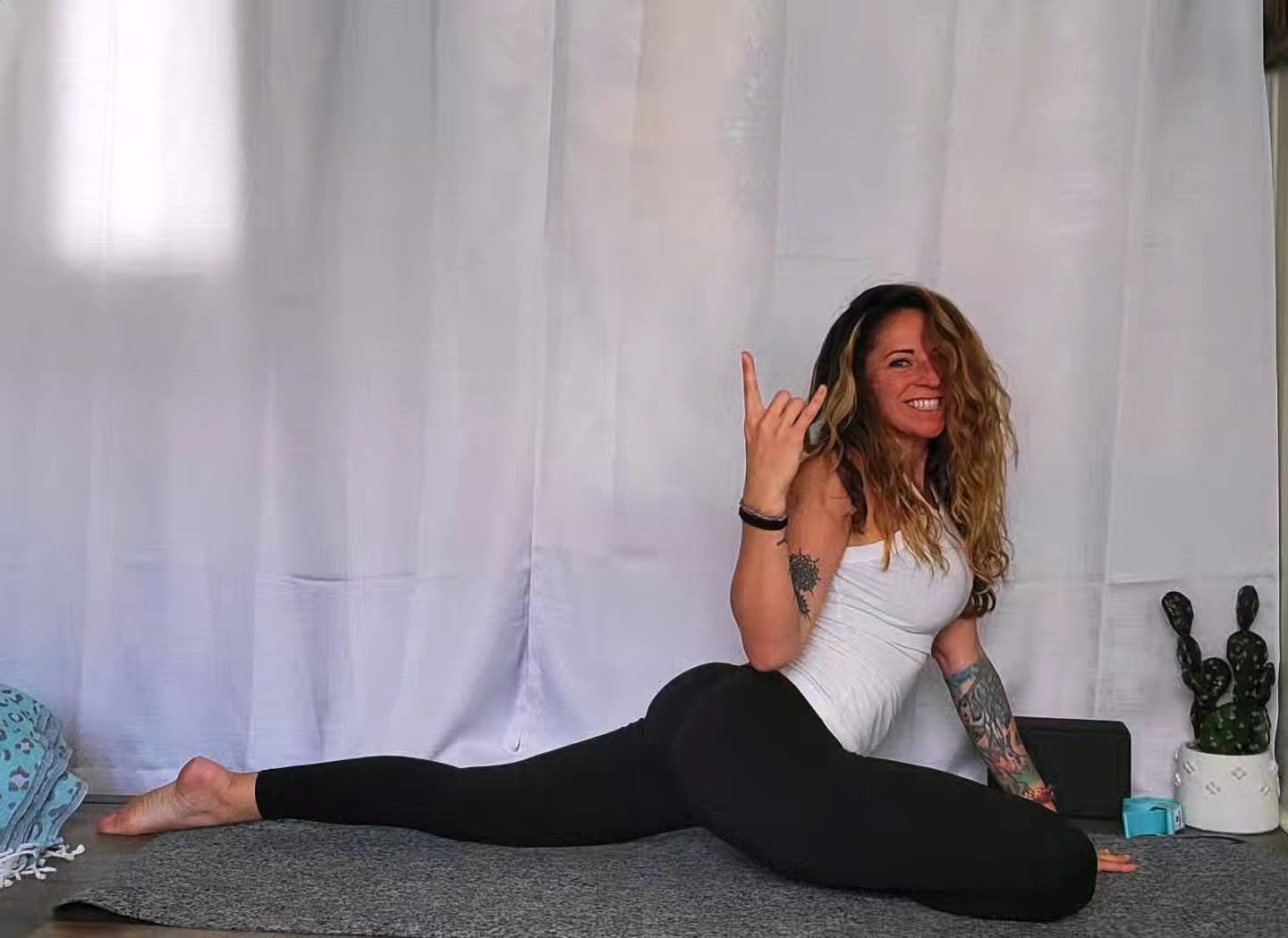
Stress is loud, persistent, and boringly effective at stealing your joy. If you keep showing up to life feeling frayed, jittery, or like you need three coffees and a pep talk, yoga is the low-key rebellion that actually works. Not the Instagram, twisted-up pretzel flex — the slow, breath-first practice that rewires your nervous system and hands you your calm back like it never left.
Why stress ruins everything.
Stress is your body’s smoke alarm — useful in a crisis, useless when it’s screaming all day. When stress gets sticky and chronic, it raises your blood pressure, chips away at your immune system, wrecks sleep, tightens muscles until your neck and jaw throw passive-aggressive tantrums, and drags mood and focus through the mud.
Signs you’re wearing stress like a second skin: irritability, foggy thinking, headaches, exhaustion, and sleepless nights. Notice those? Good. Noticing is the first move toward actually changing the playlist.
What yoga actually does (no fluff)
Yoga isn’t just stretching with a soundtrack. It’s a whole-system reset that:
lowers heart rate and blood pressure
calms anxiety and steadies mood
improves sleep and lifts mental clarity
melts muscle tension so your body stops narrating your stress
The secret sauce is simple: slow, intentional movement + breath = your parasympathetic nervous system flipping the “rest and digest” switch. That’s the part of you that heals, recharges, and behaves like a functioning adult again.

Quick stress-relief tools that play well with yoga
Yoga pairs beautifully with other low-effort, high-return moves. Mix and match:
Meditation and mindfulness: five quiet minutes of breath-focus can outpace an hour of doomscrolling.
Cardio or walks: endorphins are real and badly underrated.
Creative outlets: paint, write, plant, or make a weird craft — distraction with meaning.
Deep breathing exercises: the 4-7-8 or belly-breathing when your brain tries to stage a coup.
Social time: humans are wired for connection; don’t ghost that.
Nature: a ten-minute green dose lowers cortisol like a magic trick.
Use these alongside yoga and you’ve got a toolbox, not a single hammer.

How to start yoga for stress relief without feeling dumb
Starting shouldn’t feel like auditioning for a wellness cult. Begin like you mean it, not like you’re trying to impress anyone.
Choose gentle styles: Hatha, Yin, Restorative. Slow and merciful.
Commit to consistency, not drama: 15–30 minutes most days beats a chaotic 90-minute binge once a month.
Carve out a calm corner: mat, cozy clothes, maybe a candle or weird talisman — make it yours.
Lead with breath: let inhale/exhale be the metronome, not your racing thoughts.
Use guided classes: follow a teacher you vibe with; skip the influencer who makes you feel inadequate.
Respect your body: yoga is not a contest; soreness is not a badge of honor.
Finish with savasana or 2–5 minutes of meditation: let the work sink in.
Start small. Keep it consistent. Watch the small steady changes add up until your nervous system actually believes you mean to be okay.

Quick 12-minute anti-stress yoga sequence (do it anywhere)
Grounding breath — 1 minute: sit or stand; inhale 4, exhale 6.
Neck and shoulder rolls — 2 minutes: slow, deliberate, breathe into the tight spots.
Forward fold with long exhales — 2 minutes: hang out and let your spine unload.
Cat–cow + gentle twists — 3 minutes: wake the spine, wring out tension.
Legs-up-the-wall or supported bridge — 3 minutes: restorative, heart-calming.
Savasana or seated breath — 1 minute: one final check-in; set an intention.
Do this three times a week and sneak shorter versions on bad days.
Make yoga part of your life (without turning into a guru)
Morning micro-practice: 5–10 minutes before your phone hijacks your attention.
Work breaks: one-minute belly breaths, shoulder releases, or desk twists.
Weekly ritual: a longer, slower session that feels like a reset, not a punishment.
Community: pick a class, online or in-person, that feels honest and real.
Track what changes: mood, sleep, patience, energy — write a sentence each week.
Pair yoga with sleep, hydration, and decent food: basics amplify practice.
Consistency creates resilience. Ritual turns small practices into personal armor.
Final thoughts
Stress will keep trying to crash the party. Yoga doesn’t promise to banish it forever — it teaches you how to show up when stress knocks, how to answer with breath instead of panic, and how to carry your nervous system like it matters. Build practices that sync with your life, not ones that demand you become someone else. Start small, be kind to your body, and take back the parts of your day that stress stole.
Ready to rewrite your nervous system? Try the 12-minute sequence tomorrow morning and tell me whether you felt softer, sharper, or both.


Comments