Aging Athletically: How Functional Movement Supports Hormones, Joints, and Daily Life
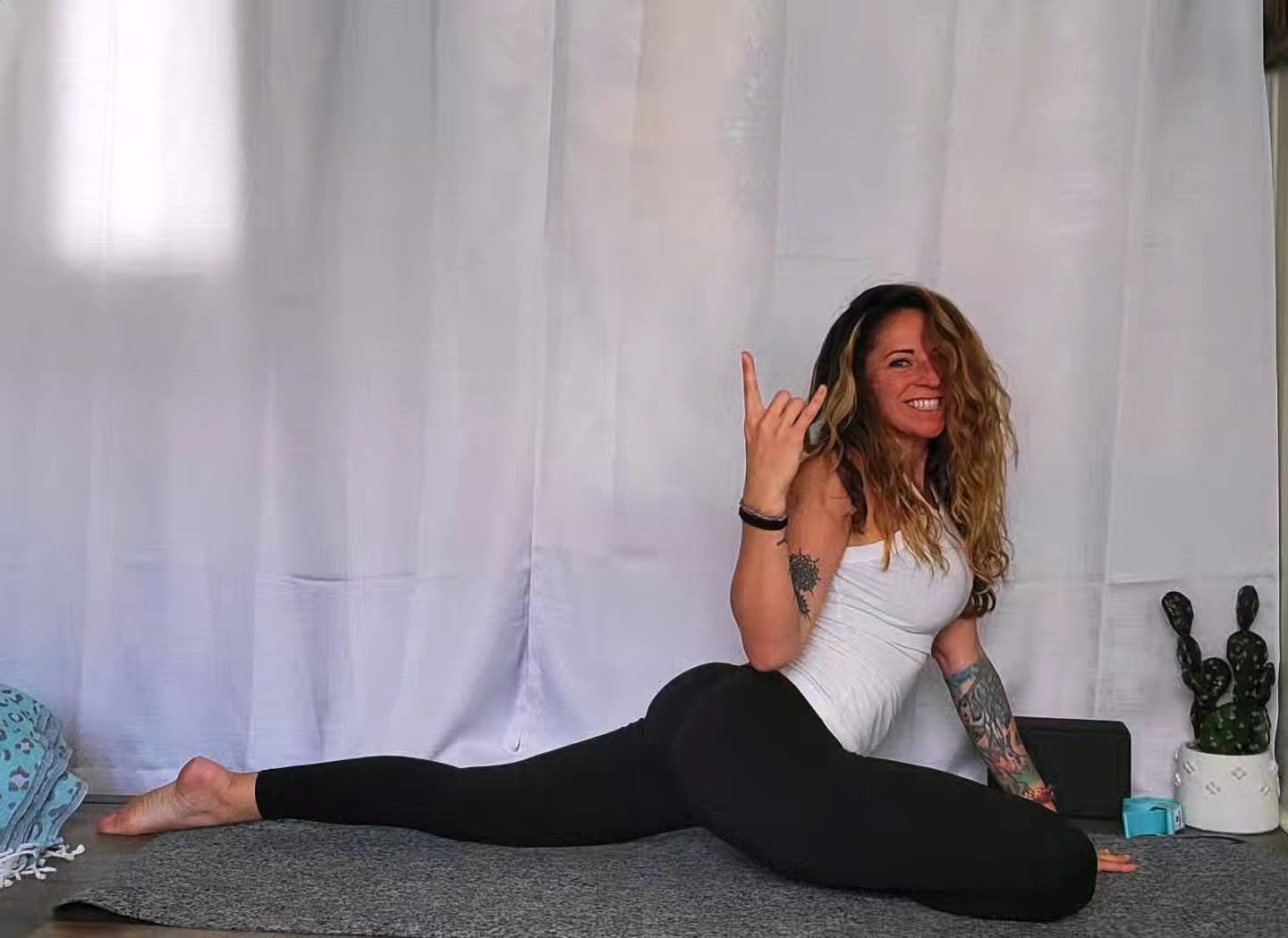
Aging isn’t a decline — it’s a transition. Our bodies shift, our hormones evolve, and the way we move becomes more important than ever. Functional training is one of the most powerful tools we have to stay strong, mobile, and energized through every decade of life.
This isn’t about chasing PRs or punishing workouts. It’s about moving in ways that support your joints, balance your hormones, and make everyday life feel effortless.
Why Functional Movement Matters More as We Age
As we move through our 30s, 40s, 50s and beyond, three major changes happen in the body:
1. Muscle fibers naturally decline
We lose fast‑twitch muscle fibers first — the ones responsible for power, stability, and quick reactions. Functional training helps preserve them by mimicking real-life movement patterns.
2. Joint lubrication decreases
Synovial fluid production slows down, making joints feel stiff or “creaky.” Functional movement keeps joints warm, mobile, and nourished.
3. Balance + proprioception weaken
This is why people feel “clumsy” or less stable with age. Training functional patterns improves your body’s ability to sense where it is in space.
Functional movement is essentially training for life — not just the gym.

The Hormone Connection: Why Functional Training Supports Women’s Wellness
Hormones shift dramatically as we age, especially for women. Functional movement supports these changes in powerful ways:
Reduces cortisol through breath‑led movement
Improves insulin sensitivity, helping regulate energy and cravings
Supports estrogen balance by maintaining muscle mass
Enhances sleep quality, especially when paired with mobility work
Boosts lymphatic flow, reducing inflammation and puffiness
Breathwork + functional strength is one of the most effective combinations for hormone health.
Why Functional Training Beats Machines for Aging Bodies
Machines isolate muscles. Life does not.
Functional training:
Strengthens multiple muscle groups at once
Improves coordination and stability
Builds joint resilience
Trains your core in every movement
Transfers directly into daily tasks
Think: picking up groceries, getting off the floor, carrying kids, climbing stairs, loading luggage, or even just standing up from a chair with ease.
Breathwork: The Missing Link in Functional Movement
Breath is the foundation of stability.
When you exhale properly, your core activates, your nervous system calms, and your movements become more controlled. This is why yoga practitioners age so gracefully — breath keeps the body organized.
Try this simple pattern during training:
Inhale during the lengthening phase
Exhale during the exertion phase
Keep breath smooth, not forced
This alone can reduce joint pain and improve lifting mechanics.
Four Functional Movement Flows You Can Try Today
These flows are designed to support aging joints, hormones, and mobility — without overwhelming the body.
1. Hip Mobility Flow
90/90 hip switches
Lateral lunges
Hip CARs
Glute bridge with breathwork
Benefits: lubricates hips, reduces low-back tension, improves gait.
2. Core Stability Flow
Dead bugs
Pallof press
Bird dogs
Slow mountain climbers
Benefits: supports posture, reduces back pain, improves balance.
3. Glute Activation Flow
Banded lateral walks
Banded hip thrusts
Single-leg Romanian deadlifts
Step-ups
Benefits: protects knees, stabilizes hips, improves power.
4. Shoulder Health Flow
Scapular retractions
Wall slides
Light kettlebell bottoms-up press
Controlled arm circles
Benefits: improves posture, reduces neck tension, supports overhead strength.
The Longevity Formula: Move Well, Move Often
You don’t need intense workouts to age athletically. You need consistent functional patterns:
2–3 strength sessions per week
Daily mobility (5–10 minutes)
Breathwork integrated into movement
Walking or low-impact cardio for circulation
This combination supports hormones, joints, digestion, sleep, and overall vitality.
Final Thoughts
Aging athletically is about honoring your body’s evolution — not fighting it. Functional movement keeps you strong, stable, and confident through every chapter of life.


Comments